Key Takeaways
- Bee venom is a substance produced by honeybees. It contains a mix of peptides, enzymes, and other naturally occurring compounds.
- Bee venom has been used in both traditional and modern wellness practices. Interest has expanded into areas like skin care, massage products, and alternative therapies.
- Melittin is one of the primary compounds in bee venom: Researchers continue studying its biological activity and potential applications.
- Skin sensitivity and allergic reactions are important considerations: Bee venom products may not be appropriate for individuals with bee allergies or sensitivities.
- Bee venom products come in different forms: Creams, serums, supplements, and topical treatments can vary widely in concentration and intended use.
Bee venom is on the rise as a skincare and beauty agent most commonly found in masks, oils, serums, lotions, and lip care treatments for various benefits to promote healthy aging and skin. “Bee venom is a naturally derived substance collected from bees and is essentially a complex mixture of proteins,” says Dr. Anna Chacon, MD, board-certified dermatologist in Miami.
For use in beauty and skin care, bee venom is generally harvested without harming bees. As for reasons to include bee venom in your skincare routine, here are a few touted benefits, which explain its recent gain in popularity.
Benefits of Bee Venom in Beauty and Skin Care
Bee venom is known to have anti-aging properties.
“When applied to the skin, it tricks the body into thinking it’s been stung, which stimulates the production of collagen and elastin, which are two proteins that keep skin firm and youthful,” Chacon explains.
It has anti-inflammatory and antibacterial properties, too, meaning it’s an effective ingredient for treating acne and other skin inflammations or inflammatory conditions, too. Bee venom can also help promote good, healthy circulation, “helping to naturally detoxify skin and give it a healthy glow,” Chacon says.
And, since bee venom is natural, it’s also a wonderful alternative to harsher chemical treatments by offering a gentler approach to skin care. (This is especially useful for sensitive skin types, too.)
Drawbacks of Using Bee Venom in Skin Care
Despite its benefits, there are some drawbacks to note, or rather, things to be cautious about. Most significant is the risk of an allergic reaction.
“People who are allergic to bee stings should avoid using bee venom products as they can cause severe reactions, including anaphylaxis,” Chacon warns.
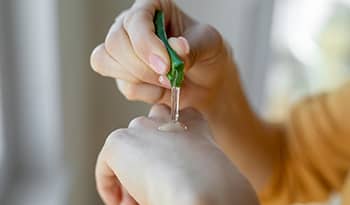
However, even in those without allergies to bees, it can cause skin irritation, redness, and swelling. Therefore, it’s always recommended to perform a patch test before using any new product on the skin, which extends to bee venom. If a reaction of any kind results, immediately cease use and consider speaking to a doctor if concerned.
Uses of Bee Venom in Skin Care
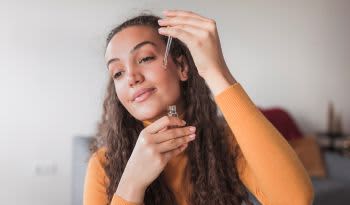
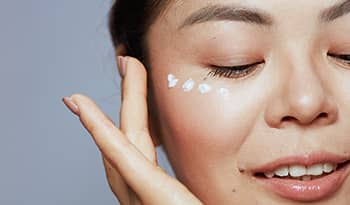
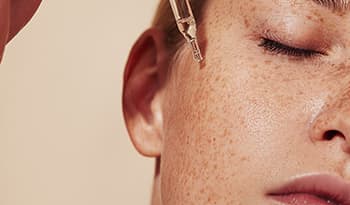
Most common uses of bee venom in skincare and beauty products are as an ingredient in face and body or skin topicals, such as face and body masks, lotions, oils, and serums. Using bee venom in a face mask is especially useful.
Other Bee Products With Beauty Benefits
There are more reasons to include products containing honey or bee pollen as ingredients in skin care and beauty. Bee pollen reduces inflammation and is anti-aging, and it offers various nutrients to support skin health overall. Honey’s anti-inflammatory and antioxidant-rich profile makes it incredibly effective for soothing and moisturizing, and combating signs of aging, leaving skin more youthful in appearance with a fresh and healthy glow.
You can also reap manuka honey’s benefits in your skincare routine. For instance, a facial cleanser with honey hydrates and softens skin to create a dewy, smooth complexion, and since it’s rich in enzymes, it’s great for exfoliation and removing dead skin cells, too. So, if you’re prone to oil buildup or acne, an exfoliating facial cleanser with manuka honey can be particularly useful. A body wash with honey also calms and moisturizes skin. Lastly, honey conditions hair and is often used in conditioners, masks, and treatments for hydration, repair, and nourishment.
DISCLAIMER:
These statements have not been approved by the Food and Drug Administration. These products are not intended to diagnose, treat, cure or prevent disease.
















































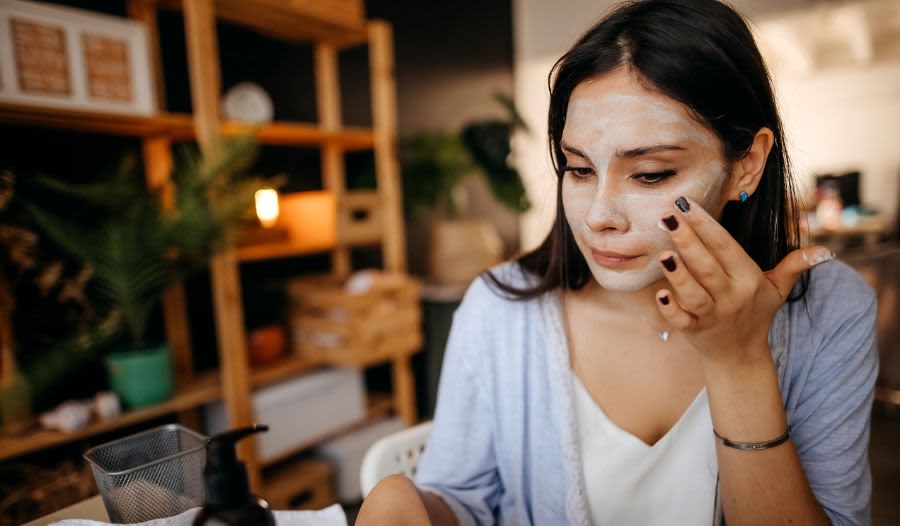
 Table of Contents